Abstract
A dog’s food and water bowls might seem like simple accessories, but choosing the right one matters for your dog’s comfort, health, hygiene, and mealtime routine. This guide walks through everything you need to consider — from size and material to design features and special bowls for specific needs. Whether you have a puppy, a large breed, or a fast eater, this article helps you make the right choice for long-lasting, safe daily feeding.
1. Why Choosing the Right Dog Bowl Matters
The right bowl isn’t just about looks — it influences your dog’s eating comfort, hygiene, digestion, and even behaviour. A poorly chosen bowl can lead to spills, bacteria buildup, frustration for your dog, or unnecessary strain on their neck and joints. Good bowl selection also makes daily cleaning and pet care easier for owners.
2. Consider Your Dog’s Size and Breed
Dogs come in all shapes and sizes, and their bowls should match accordingly:
Small breeds: Smaller, shallow bowls with low rims make food easier to access without straining.
Large breeds: Bigger bowls with wider openings accommodate larger meals.
Long-eared breeds: Narrow and deeper bowls help prevent long ears from dragging into food or water.
Flat-faced breeds (brachycephalic): Shallow bowls make it easier for short-muzzled dogs to reach food.
Always choose a bowl that suits your dog’s muzzle shape and eating style so mealtimes are comfortable and stress-free.
3. Choose Bowl Material Carefully
The material of your dog’s bowl affects durability, safety, hygiene, and ease of cleaning. Each type has pros and cons:
Stainless Steel
Pros: Durable, non-porous (resists bacteria), generally dishwasher-safe, doesn’t retain odors or chemicals.
Cons: Lightweight models may slide on slick floors without a rubber base.
Best for: Everyday feeding, all dog sizes, especially active eaters.
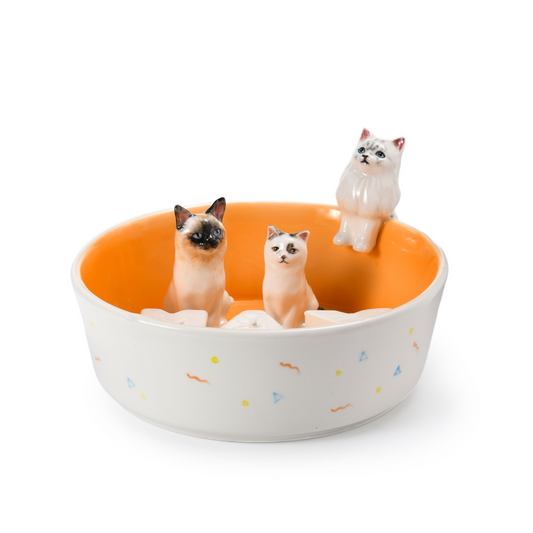
Ceramic
Pros: Heavy (harder to tip), visually appealing, often dishwasher-safe if glazed.
Cons: Can chip or crack, and chips/cracks can trap bacteria or sharp edges.
Best for: Calm dogs and home setups where bowls aren’t frequently moved.
Plastic
Pros: Lightweight, inexpensive.
Cons: Scratches easily, can harbor bacteria if damaged, may contain harmful chemicals unless BPA-free.
Best for: Temporary use or inexpensive travel backups.
Silicone / Collapsible
Pros: Portable, flexible, great for travel or outdoor activities.
Cons: Not as durable for daily home feeding unless high-quality.
Best for: Trips, hikes, or short outings.
A bowl made from food-grade stainless steel is generally considered the most hygienic and long-lasting choice for everyday use.
4. Bowl Design and Features
Non-Slip Bases
Dogs that push their bowls around can make a mess. Look for bowls with rubberized bottoms or suction feet to keep them in place during meals.
Elevated Bowls
Raised bowls bring the food closer to your dog’s chest height. They may help some larger or older dogs with posture and reduce neck strain, but they’re not always ideal for every dog — in some cases they may increase bloat risk, so consult a vet if your dog has specific health concerns.
Slow Feeders and Puzzle Bowls
If your dog eats too quickly, consider a slow feeder bowl with ridges or maze-style designs. These bowls help slow eating, improve digestion, and provide mental stimulation. Choose one with patterns suited to your dog’s snout size and eating habits.
Travel and Collapsible Bowls
Lightweight and foldable options are excellent for on-the-go hydration and meals — ideal for walks, hikes, or training sessions outside the home.
5. Size and Volume — How Much Is Enough?
Choose a bowl large enough to hold your dog’s daily meal portions and plenty of water. If a bowl is too small:
Your dog may make a mess reaching for food.
You may need to refill water bowls frequently throughout the day.
For water bowls, it’s important to ensure your dog always has access to fresh water, especially in warm weather or highly active breeds.
6. Hygiene and Care
Keeping your dog’s bowl clean is critical for health:
Wash food bowls daily (especially after wet food).
Clean water bowls at least once daily to prevent slime or bacteria buildup.
Damaged bowls with scratches or cracks should be replaced immediately, as these can trap bacteria.
If bowls are dishwasher-safe (e.g., stainless steel or glazed ceramic), using the dishwasher’s high-heat sanitizing cycle can help kill bacteria more effectively.
7. Special Considerations
Puppies
Young dogs benefit from smaller, shallow bowls they can reach comfortably — avoid deep, narrow bowls that make eating difficult.
Senior Dogs
Older dogs or those with joint pain may find it easier to eat from slightly elevated bowls that reduce neck bending. Always check with a vet if your dog has ongoing health concerns.
Multiple Dogs
If you have more than one dog, provide separate bowls for each to prevent food guarding and competition.
Eco-Friendly Options
Some bowls are made from sustainable materials like bamboo or recycled plastics — suitable if you prioritize environmental impact, though durability may vary compared with stainless steel.
Conclusion
Choosing the right dog bowl isn’t just about aesthetics — it’s about safety, comfort, hygiene, and long-term health benefits. Start by assessing your dog’s size, breed, eating habits, and physical needs, then select a material and design that supports cleanliness and daily convenience. Regular bowl cleaning and maintenance further ensure that your dog’s feeding routine remains safe and enjoyable.